
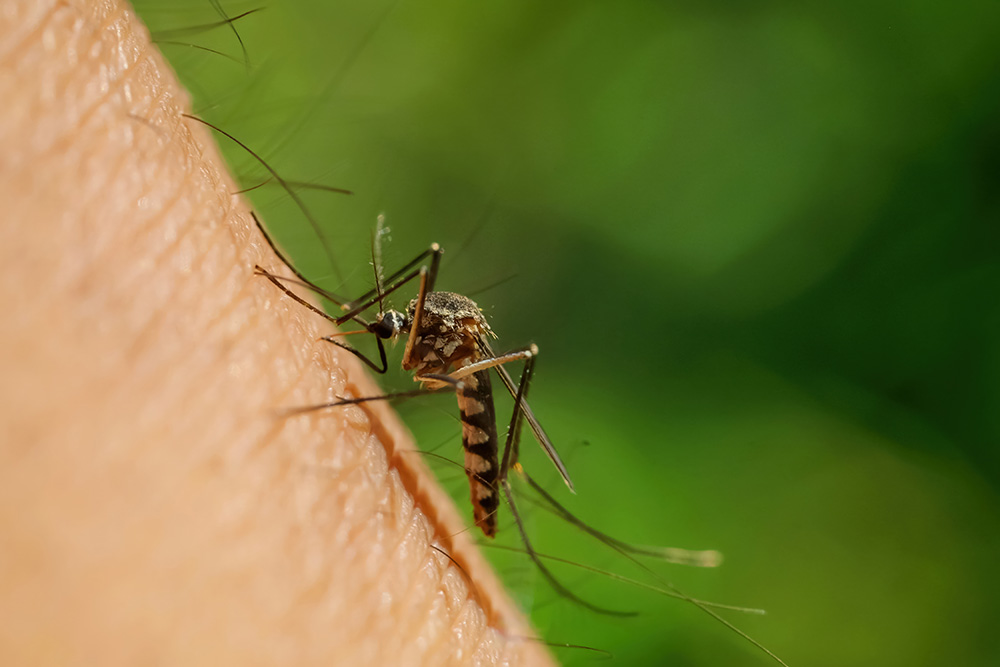
Most people don’t think twice about a mosquito bite. West Nile virus is the exception worth knowing about, partly because it circulates in Mississippi every summer and partly because the window for catching a serious case early is probably shorter than you realize.
The 2026 season has been an unusually active one, with cases of West Nile virus arriving earlier and in higher numbers than in most years. At Oxford Urgent Care, we see patients throughout mosquito season every year. If something feels off after a bite, you don’t need an appointment to come in.
Understanding West Nile virus
The West Nile virus, transmitted by mosquitoes, spreads straightforwardly: infected birds transmit the virus to mosquitoes, which then spread it via a bite.
It’s the leading cause of mosquito-spread disease in the contiguous United States, and Mississippi has ranked among the higher-incidence states for decades. The state’s heat and standing water give mosquitoes plenty of places to breed through the long summer.
According to the CDC, roughly 8 in 10 people infected with West Nile virus never develop any symptoms. Of those who do get sick, most recover fully from a flu-like illness within a week. A small fraction develop neurological disease, and that’s the outcome that makes early recognition matter.
The symptoms of West Nile virus
Symptoms can show up anywhere from two to 14 days after the bite that transmitted the West Nile virus, though most people who get sick notice something within the first week. Not everyone who’s infected feels anything at all, so the absence of symptoms isn’t a reliable all-clear.
The illness falls into two categories:
- Most symptomatic cases resemble the flu in appearance and feel.
- A different, much smaller group experiences neurological symptoms that are so severe they require immediate emergency treatment.
Mild symptoms (West Nile fever)
People who contract West Nile can develop a fever, along with headache, body aches and sometimes a rash. It feels a lot like a bad flu week, and most come through it fine with rest and fluids.
That said, fatigue and weakness can hang around for weeks after the worst of it passes, even in cases that seemed mild at the time.
Severe symptoms (neuroinvasive disease)
A sudden high fever paired with a stiff neck, severe headache or confusion after a mosquito bite is not something to monitor at home.
Muscle weakness and disorientation can develop quickly as the virus affects the nervous system. If someone near you shows those kinds of neurological changes, that’s an emergency room situation. Symptoms at this level can progress within hours, so waiting to see if things improve on their own isn’t the right call.
Risk factors for West Nile virus
The clearest risk factor is age. The likelihood of severe illness rises with each decade, and adults over 60 face a considerably higher chance of serious complications than younger people, though neuroinvasive disease can develop in anyone, per the CDC.
People with weakened immune systems are also at elevated risk, including those undergoing cancer treatment or taking immunosuppressive medications. If that describes you or someone in your household, a bite followed by any fever or neurological symptom is worth getting evaluated sooner rather than later.
Diagnosing and treating West Nile virus
When you visit Oxford Urgent Care displaying symptoms that could be West Nile, we will ask about your recent time outdoors and any mosquito contact. Confirming a diagnosis typically involves a blood test for antibodies against the virus, which we can perform right here at our facility.
There’s no antiviral medication for West Nile virus, so treatment focuses on supporting your body while it clears the infection. For mild cases, that means rest, fluids and an over-the-counter fever reducer if you need one.
For patients who develop neurological illness, hospital care is needed to monitor for complications and maintain stability. Most people recover at home, but having a confirmed diagnosis puts us in a better position to act quickly if anything changes.
When to see a doctor for a mosquito bite
A high fever combined with a stiff neck or a severe headache after a recent bite is reason enough to be seen, and sooner is better. Confusion or any sudden change in mental clarity falls into the same category, as does new muscle weakness without an obvious explanation.
Milder symptoms are still worth a visit if you’re over 60, immunocompromised or just not improving the way you’d expect after a few days. When it comes to mosquito-borne illness, the earlier we can get a clear picture, the better.
How to prevent mosquito bites and West Nile virus
A repellent with DEET, picaridin or oil of lemon eucalyptus on exposed skin is your most reliable protection before heading outside, according to the Mayo Clinic News Network. Mosquitoes are most active around dawn and dusk, so those windows call for extra attention, and long sleeves and pants help when you’re out during them.
Around your property, cutting down on standing water makes a real difference, since that’s where mosquitoes breed. Empty anything that collects rainwater and remove standing water wherever you find it.
A few specific things the Environmental Protection Agency recommends you make a habit of doing:
- Empty flowerpot saucers, buckets and any containers that collect rain
- Clean gutters regularly so water doesn’t pool along the roofline
- Turn over wading pools and wheelbarrows when they’re not in use
- Old tires are among the most common breeding sites and worth discarding
None of this eliminates exposure entirely, but it can reduce it over the course of a season.
Frequently asked questions
Can you get West Nile virus from person-to-person contact?
No, West Nile virus doesn’t spread through ordinary contact between people. It moves through a cycle between birds and mosquitoes, and you get it from a bite, not from being around someone who’s infected.
Caring for someone with West Nile carries no transmission risk through contact.
How long after a mosquito bite do West Nile symptoms appear?
Somewhere between two and fourteen days after the bite, if they appear at all. Fever is usually the first sign, with headache and body aches following close behind.
Keep in mind that most infected people never feel sick, so a lack of symptoms doesn’t confirm you’re in the clear either way.
Is there a vaccine for West Nile virus?
Not for humans. No one has yet developed an antiviral medication to treat the infection once it takes hold. Care for West Nile is supportive, with hospital-level monitoring available for patients who develop the more serious form of the illness.
Can pets get West Nile virus?
Yes, mosquitoes can infect dogs and cats, but they typically show mild or no symptoms.
Get evaluated at Oxford Urgent Care
This summer, most mosquito bites won’t amount to anything. But if you’re in a high-risk group for West Nile virus, or your symptoms after a mosquito bite seem to line up with the virus, stop in to see us.
Oxford Urgent Care is open every day from 8 a.m. to 7 p.m. at 1929 University Ave. Walk in when it suits you, and we’ll take it from there.