
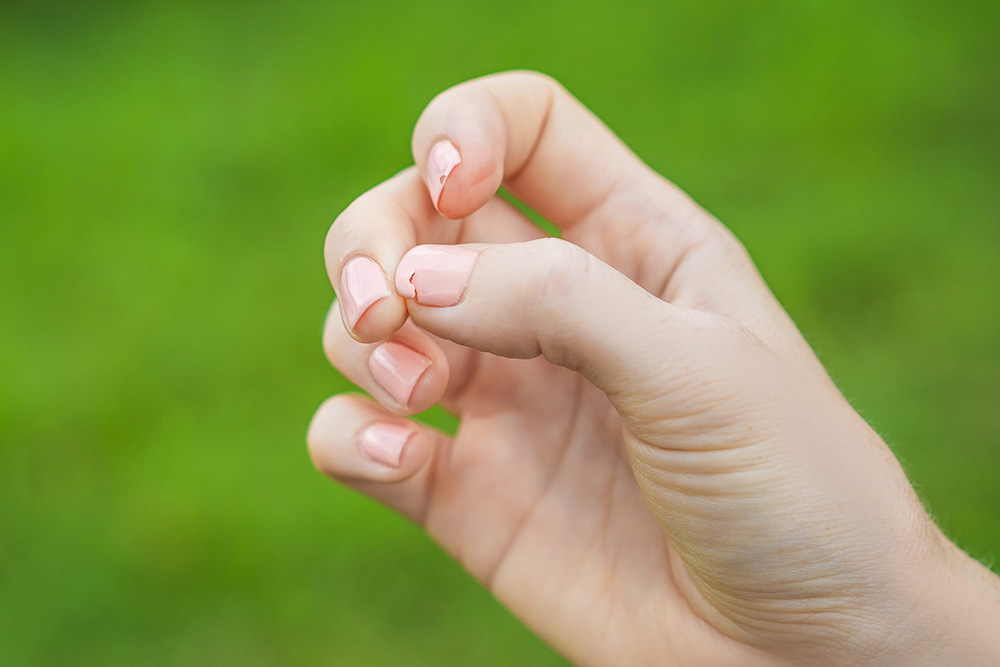
A split fingernail can be uncomfortable, inconvenient and often just very painful. While many nail splits are minor and heal with simple care, others can expose the sensitive tissue underneath and require closer urgent care attention.
Oxford Urgent Care in Oxford, MS evaluates nail injuries, deciding if they require medical intervention or home treatment. You should have your nail injury checked if it doesn’t appear to be healing or if it feels more severe than you thought it would.
What causes a split fingernail?
The most frequent reason for a split fingernail is a powerful impact. You might crack or tear your nail if you slam your finger in a door, catch it on a rough surface, or drop a heavy object on it — it’s a painful problem no matter the cause.
The nail’s condition beforehand plays a major role. Nails that are already thin, brittle or weakened are far more likely to split on impact instead of resisting damage. Sometimes, frequent nail splitting also points to an underlying health issue.
According to MedlinePlus, nail strength can be impacted by conditions like iron deficiency, thyroid issues or psoriasis. Nutritional deficiencies or persistent dryness could also play a role.
Please also be sure to tell us about any repeated splitting you’ve observed that isn’t related to an injury.
How to care for a split nail at home
Home treatment is suitable for superficial nail splits that have not entered the nail bed and are not bleeding.
Gently cleanse the region with soap and water initially to decrease the possibility of infection. Apply a bit of antibiotic ointment after cleaning and then bandage the nail.
Protecting the nail and preventing further tearing are the primary goals of home care. You should change the bandage daily to keep the wound clean and check its progress.
MedlinePlus also suggests that you:
- Carefully trim loose edges to avoid snagging.
- Secure the nail with a bandage or tape.
- Ensure the area remains dry and clean all day.
- Keep the injured finger away from heavy work.
However, these are short-term measures. If the crack continues to reopen, becomes more painful or catches on clothing, it may need professional attention at Oxford Urgent Care.
When to visit urgent care for a nail injury
While some nail injuries heal on their own, others are better evaluated in person sooner rather than later.
If bleeding persists, or the pain exceeds expectations, urgent care can properly clean and protect the injury. Rapid swelling or a steady throbbing sensation may also signal deeper damage beneath the nail that you shouldn’t leave to guesswork.
It’s also important for you to watch how the finger changes over the next day or two. Coming into urgent care early can help prevent the problem from progressing and make your recovery a more straightforward process.
What we do at Oxford Urgent Care for nail injuries
We’ll check the nail and the surrounding tissue when you get here to see how bad the injury is. If a fracture under the nail concerns us, we can conduct a localized X-ray for clearer visualization.
Treatment depends on what we find. For nails that are detached either partially or completely, we’ll carefully clean the affected area and then apply a protective dressing to encourage healing.
Depending on your injury, your care may include:
- Sanitizing the fingernail and the nearby skin.
- Cutting away or trimming the injured parts of the nail.
- Securing the site with a protective dressing.
- Ordering an on-site X-ray if we suspect a fracture.
If the injury is more complex, a local anesthetic may keep you comfortable during treatment. Our goal is to reduce your pain and prevent an infection from forming.
Oxford Urgent Care is here when you need it
If you have a fingernail injury that needs proper attention but isn’t an emergency, Oxford Urgent Care can help. Stop by if you’re experiencing a nail split that goes down to the nail bed, continuous pain or a wound you’re unsure how to handle.
We’re open seven days a week from 8 a.m. to 7 p.m. For quicker service, visit us during clinic hours or secure your spot online.
Getting evaluated early can head off problems and speed your return to regular life.